Archive for December, 2011
Online giving – Let your moral compass direct you
Dec 21st

The end of year is time to consider making a gift to those that really need it. Even in economically challenging times like now, it is astonishing to see the consumer treadmill is running as good as ever. In fact, way better than expected according to a report by the Economic Times,
“The holiday shopping season has turned out better than anyone expected. Sales from November through Saturday were up 2.5 per cent. Americans have spent $32 billion ($32,000,000,000) online, 15 per cent more than a year ago. Retails sales were up in November for the sixth month in a row. People are spending, in particular, on clothes, cars, electronics and furniture.” (See report)
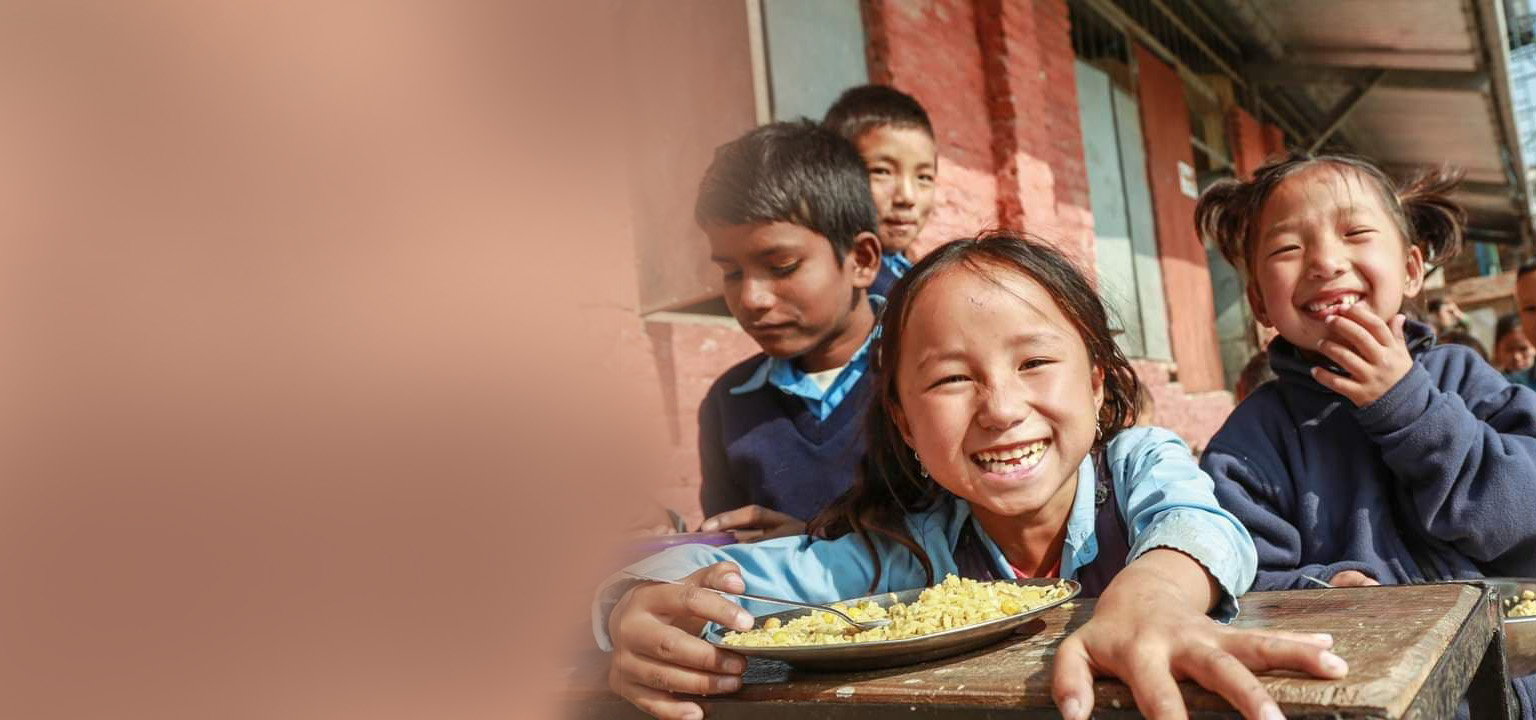
If only one hundredth of 1% of that online spending or $3.2 million was directed to the work of volunteer-run charities like Food for Life Global, tremendous good could be done for millions of children. In fact, we could realistically serve more than 12.8 million kids! That’s right, for every dollar donated, FFLG could feasibly help provide at least 4 children a healthy hot meal from one of our projects around the world. That is over 400 children with every $100 donated.
Why consider Food for Life Global over other agencies?
Food for Life Global’s mission is uniting the world through pure food. Only the healthiest food is served by our affiliates in over 50 countries. No animal is harmed in the production of our food. All food is carefully designed by on-staff nutritionists and all cooks are volunteers. In other words, your donation is used with maximum efficiency and impact in mind and guided by a moral compass pointing towards compassion and health.
Let your moral compass direct your charitable giving to a non-profit that has:
- Served the world since 1974
- Is Volunteer run
- Has served over 1 BILLION meals
- A first responder in major natural disasters
- Averaging 0.25 cents per meal served
- Vegan/vegetarian only
It may come as a surprise to learn that as the director of the organisation I am also a volunteer. I have been for more than 90% of my time with the organisation, when I founded Food for Life Global in 1995 and before that as a volunteer kitchen hand since 1984.
WAYS TO GIVE
There are so many ways to help Food for Life Global. Here are just a few:
All donations to Food for Life Global are tax deductible (ID: 52-1952901). You can help support the work of Food for Life in the following ways:
You can make a difference with a gift to Food for Life Global. Your donation will help more people become free of hunger. We rely on people like you to help us continue our vital projects, so please do support us. Choose from one of the following secure transaction services.
General Donation
Support Food for Life Global’s day to day operations
Emergency Relief
Donate to the Food for Life Global emergency fund to help FFLG coordinate disaster relief when the need arises.
Network for Good
Just Give
By Check
Food for Life Global PO Box 59037, Potomac, MD 20859 USA
Other Ways to Donate
- Donate Frequent Flyer Miles
- FFLG Facebook CAUSE
- Buy a new Vitamix Blender from FFLG
- Shop Online and support our Facebook Cause
- Capital Campaigns (Support our major projects)
- FFL Bookstore at Amazon (10% of sales go to FFLG)
- eBay Auctions (Trade online and support FFLG)
- Sponsor a Child (India, Sri Lanka or Africa)
- Planned Giving (Gift Food for Life Global in your Will)
- In-Kind Donations (Non-cash donations)
- Buy Gifts via Changing the Present and Support FFLG
- Get a Verizon Account and Support FFL
This holiday season, donate trees not animals
Dec 19th
By HEATHER FARAID DRENNAN / People for the Ethical Treatment of Animals
Source: The Bellingham Herald
With the holidays fast approaching, most of us are receiving solicitations for a variety of charitable programs, some good, some not so good. I would include animal-donation programs – in which a cow or a goat or some other animal is given to an impoverished family overseas – in the latter category.
When I was about 10 years old, my mother volunteered to milk goats at a farm near our home in Massachusetts. It was a noble sentiment in theory, but in practice it involved weekly ordeals with feisty, intelligent goats, each of whom had her own plan of resistance when it came to getting them into the milking pen. Once a goat was in the pen, it was my job to try to distract the animal so that my mother could get the milking done without getting kicked or having the pail kicked over, spilling all her hard-fought milk on the barn floor.
I imagine her reaction would not have been one of gratitude had someone presented her with a “full-time” goat. But daily tussles with goats are the least of the problems that impoverished families have to face when animal-donation programs foist animals upon them.
Organizations that send animals to families may mean well, but they do not provide a sustainable solution for global hunger. World Land Trust called these programs “environmentally unsound and economically disastrous.” Grazing animals often cause topsoil runoff and land degradation, which can exacerbate the problems of drought-prone areas, and growing plants for animal consumption is a much more inefficient use of resources than growing plants for people to eat directly.
For families on the receiving end of animal-donation programs, the animal is just another mouth to feed. An investigative expose about a government program in India that gave cows to farmers noted the recipients’ frustration. The cost of bringing the cow’s milk to market did not offset the cost of keeping the cow. Families were feeding the cows grain that they had intended to eat themselves. One farmer pointed out an obvious problem that donation programs don’t address: The animals must eat year-round, even when they are not producing milk.
When families cannot provide for even the most basic needs of the animals they are given, the animals suffer. Malnutrition, dehydration and exposure to the burning midday sun or freezing night temperatures are just the beginning. Families who cannot feed their animals properly certainly aren’t going to pay for veterinary care, and it is common for these animals to die from easily treatable ailments or injuries. Other donated animals will be sold for pennies when families are at their wits’ end, and many have their throats cut with a dull knife in filthy, unregulated slaughterhouses. Bleeding out from a cut throat is a slow, agonizing death that leaves the animal conscious until the very last moment.
There are several organizations working to combat world hunger and poverty by providing sustenance at the local level – without burdening families with animals they don’t have the means to care for. The Fruit Tree Planting Foundation, for example, works with communities to grow organic, healthy food while enriching the environment with native plants. Food for Life Global helps establish distribution centers around the world that give residents nutritious, plant-based meals. Feed My Starving Children ships hand-packed meals developed specifically for malnourished children around the world. Another way to help impoverished families as well as animals they already have is to donate to Animal Rahat, a program in India supported by People for the Ethical Treatment of Animals. Rahat (which means “relief” in Hindi) provides free veterinary care to working animals who are lame, sick or injured.
This holiday season, we can help families in desperate need without harming animals by supporting sustainable, animal-free donation programs.
ABOUT THE WRITER
Heather Faraid Drennan wrote this for People for the Ethical Treatment of Animals, 501 Front Street, Norfolk, Va. 23510; www.PETA.org. Information about PETA’s funding may be found at www.peta.org/about/numbers.asp.
This essay is available to McClatchy-Tribune News Service subscribers. McClatchy-Tribune did not subsidize the writing of this column; the opinions are those of the writer and do not necessarily represent the views of McClatchy-Tribune or its editors.
2011, People for the Ethical Treatment of Animals